


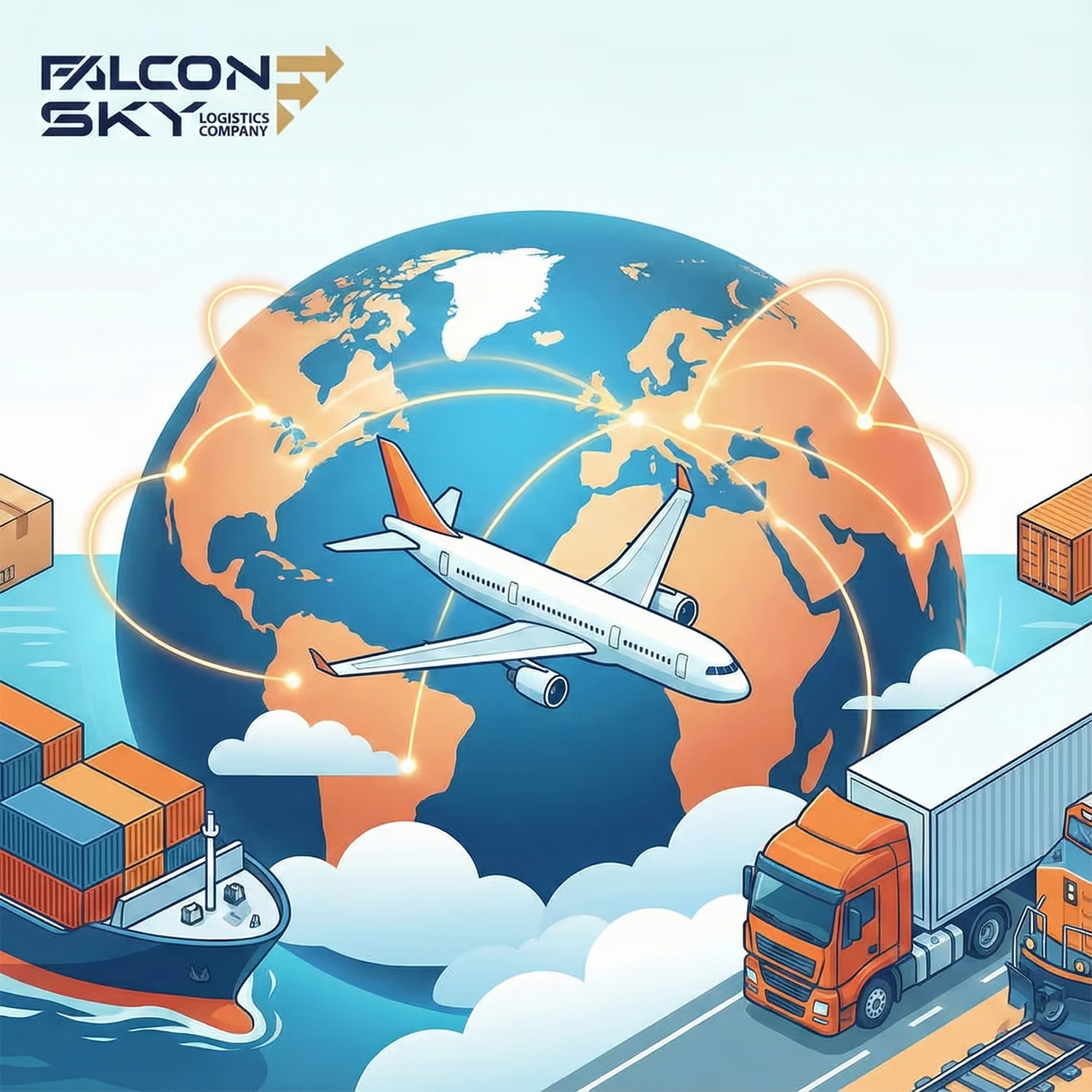
Comprehensive Guide to International Transport Methods and the Difference Between Carrier and Forwarder
Introduction International transport refers to the process of moving goods from one country to another, which can be done through air, sea, land, or combined methods. Choosing the right method depends on factors such as the type of goods, delivery time, cost, and legal restrictions.
Key Terms in Transportation To better understand this industry, familiarity with a few essential terms is necessary:
-
Carrier: Refers to a company or individual responsible for the physical transport of goods, such as shipping lines or airlines.
-
Forwarder (Freight Forwarder): An intermediary company or individual that provides consulting, insurance, and customs services to exporters and importers.
-
NVOCC (Non-Vessel Operating Common Carrier): Companies that do not own vessels but act as intermediaries between cargo owners and shipping lines, assuming responsibility for the shipment.
-
Incoterms: Global rules that define the responsibilities and costs of the parties involved (buyer and seller).
Overview of Transport Methods
1. Air Freight This is the fastest and most secure way to transport goods, suitable for high-value, lightweight, and time-sensitive cargo.
-
Pros: High speed and greater security.
-
Cons: Much higher cost compared to sea freight and limitations on weight and volume.
2. Sea Freight (Ocean Freight) The cheapest and most widely used method for bulky and heavy goods.
-
Pros: Low cost and the ability to transport very large shipments.
-
Cons: Long delivery times and susceptibility to weather conditions.
3. Land and Rail Freight This method is usually used for trade between neighboring countries, and its cost is lower than air freight. Access to remote areas is one of the advantages of this method.
How to Choose the Best Method? To select the right method, you must consider the type of goods (sensitivity and weight), required time, and budget. For example, air freight is recommended for expensive electronic equipment, while sea freight is suggested for bulky goods.